Publication | 2025
Epidemiological and clinical features of mpox during the clade Ib outbreak in South Kivu, Democratic Republic of the Congo: a prospective cohort study
The Lancet
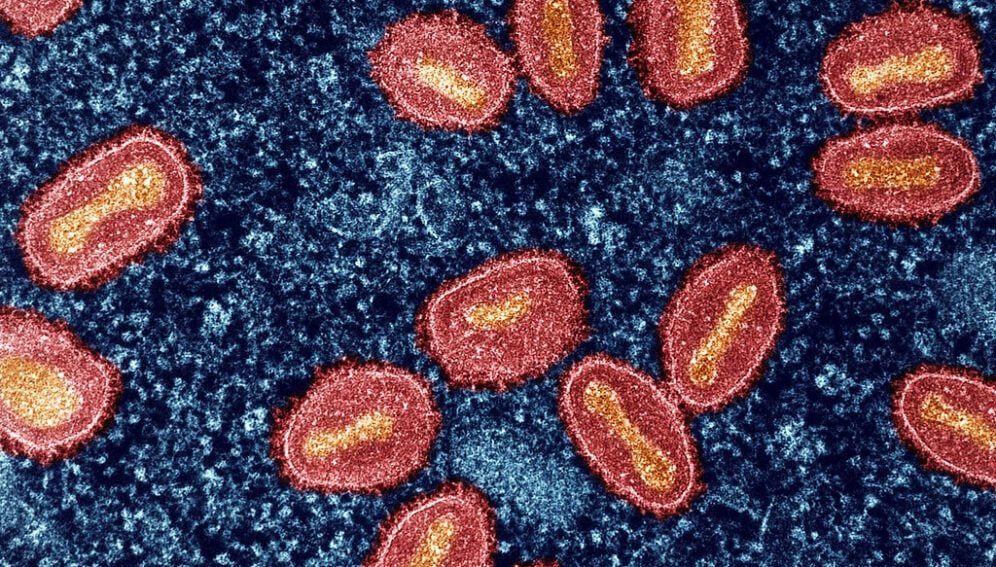
Clade Ib, a new strain of Clade I monkeypox virus (MPXV), emerged in Eastern Democratic Republic of the Congo (DRC), sparking an international outbreak. Comprehensive studies are needed to assess its transmission dynamics and clinical presentation.
Methods
We conducted a prospective observational cohort study at Kamituga General Hospital in South Kivu, DRC, between May 2 and October 9, 2024. Sociodemographic, exposure and clinical data were collected from mpox suspected cases. Cases were confirmed by Xpert® Mpox polymerase chain reaction (PCR) and followed through hospitalization and on days 29 and 59 post-diagnosis.
Findings
Of 510 included suspected cases, 407 (80%) tested PCR positive. Among confirmed cases, 196 (48%) were women. Age distribution was bimodal, with 58 (14%) children under five, and 267 (66%) individuals aged 15-34 years. Most cases (58%) reported contact with a suspected or confirmed mpox case; primarily colleagues, spouses or sexual partners in adults, and parents or siblings in children. Self-reported comorbidities were rare (5%), including six (2%) human immunodeficiency virus (HIV) infections. Prodromal symptoms were present in 331 (88%) patients, active skin lesions in 394 (97%), mucosal lesions in 324 (82%), and lymphadenopathy in 288 (73%). In adults, 89% had genital skin lesions and mean lesion density was highest in the genital area. In contrast, only 42% of children had genital lesions, as part of a more uniform rash. Among 403 hospitalized patients, two deaths (0·5%) occurred. Among 296 patients with detailed hospital follow-up, complications were primarily genito-urinary (57%) or cutaneous (41%). Four of six pregnant women with recorded outcome (67%) had adverse pregnancy outcomes. On days 29 and 59, few sequelae were reported other than scars.
Interpretation
Clade Ib infections in Kamituga exhibited distinct clinical patterns compared to Clade Ia outbreaks elsewhere in the country and the global Clade IIb outbreak. In adults, the disease primarily affected the genito-urinary system, compatible with sexual transmission, while children mostly manifested extragenital lesions. These findings highlight the need for updated case definitions and targeted public health interventions to address evolving transmission dynamics and mitigate risks for vulnerable groups, including pregnant women and young children.